

Paint-Grade Cabinet Doors – Which Woods Paint Best & Which Woods To Avoid?
Posted by Donovan Thornhill on Oct 8th 2025
If you want to paint your cabinet doors, you'll need to choose a paint-grade wood species. These wood types typically have plain grain patterns, softer hues, and lack natural texture. Using the wrong wood type can lead to hours of unnecessary preparation and an uneven finish.
This guide walks you through the best wood types for painted cabinet doors so that you can make the best investment for your home renovation project. Here’s everything you need to know.
What Makes a Wood “Paint-Grade”?
Paint-grade wood has a smooth, paintable surface with a plain grain pattern that lacks texture, knots, or deep pores. Wood types with natural characteristics are not ideal for painting but are better for staining. Stain-grade wood has a prominent grain and natural texture that can be enhanced with the right stain.
Best Woods for Painted Cabinet Doors
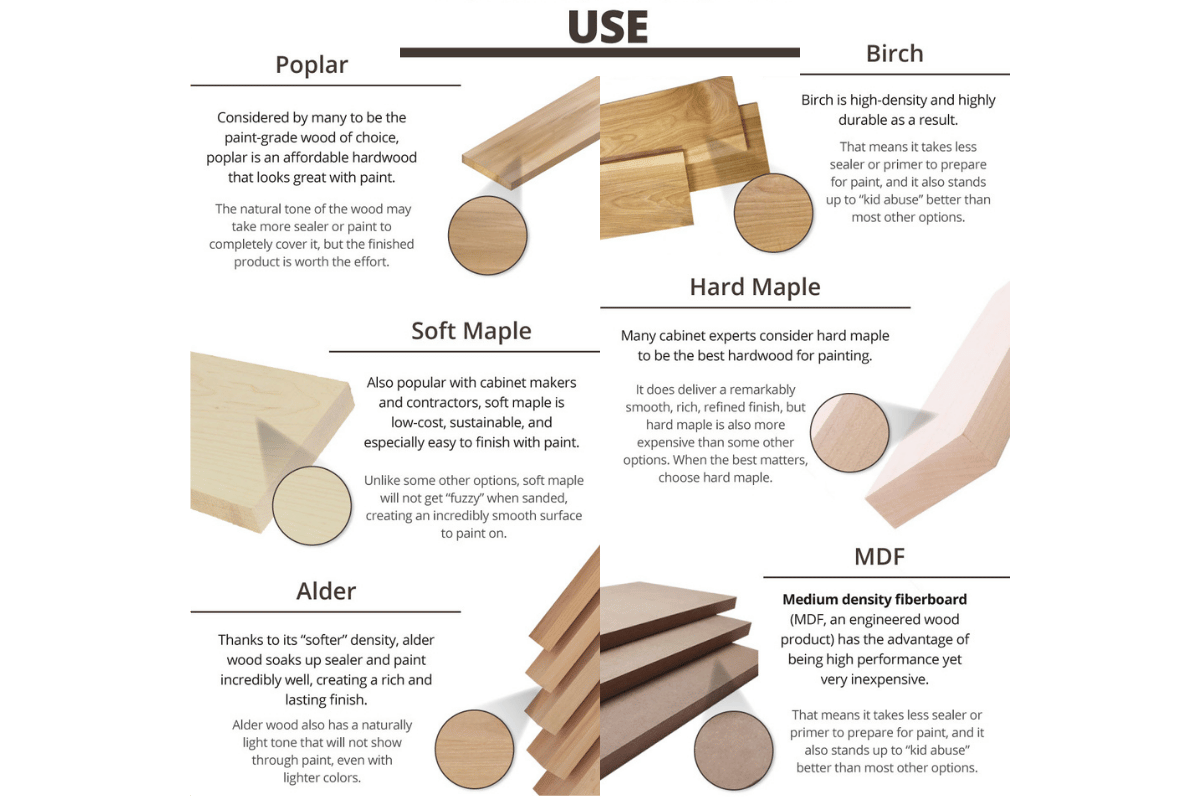
When choosing a wood type for painted cabinet doors, it's always best to choose a species with a plain grain pattern. You'll also want a wood type that works well in humid climates to prevent unwanted warping. Warped wood can cause cracks in the paint, impacting the look of your cabinets over time.
Here's a look at four different paint-grade wood types offered at CabinetDoors.com.
Paint-Grade Maple
Maple is one of the best choices for a paint-grade wood. It sands easier than alder, doesn’t “fuzz-up” like Alder while sanding, and sands faster. It doesn’t absorb sealer as much as other wood types, finishes very smoothly, and doesn’t telegraph its grain through the paint, like Pine.
Key Features
- Tight grain pattern
- Light natural color
- Durable and more resistant to general wear and tear
Paint-Grade Alder
Alder makes a good paintable cabinet door but tends to absorb primer at a high rate and is among the “softer” of the hardwoods. Painted Alder is used more in the West, where it is more available, than in other parts of the country, and it gives an excellent painted finish look.
Key Features
- More expensive than other paint-grade woods
- Fine, even grain pattern
- Takes paint and stains well
Paint-Grade Birch
Birch is harder than alder, pine, and soft maple, so it will stand up better to general wear and tear than the softer woods. It tends to be more expensive, but it will require less sealer or primer than softer woods.
Key Features
- Dense and durable
- Light grain pattern
- An affordable alternative to other natural wood species
Medium-Density Fiberboard
Medium-density fiberboard (MDF) is an engineered wood product formed by breaking down hardwood or softwood residuals into wood fibers. This is a budget-friendly wood species that's easy to paint and considered beginner-friendly. It's manufactured from small wood fibers, so you don't need to worry about grain patterns or texture.
Key Features
- Lacks a distinct grain pattern
- Budget-friendly
- Best for achieving a uniform look
EXPLORE PAINTED & PAINT-READY CABINET DOORS
Woods to Avoid When Painting Cabinet Doors
Painting cabinet doors is a great way to invite more color into your space. However, not all wood species look great painted. If you have your heart set on adding more color to your kitchen, you'll want to avoid the following woods:
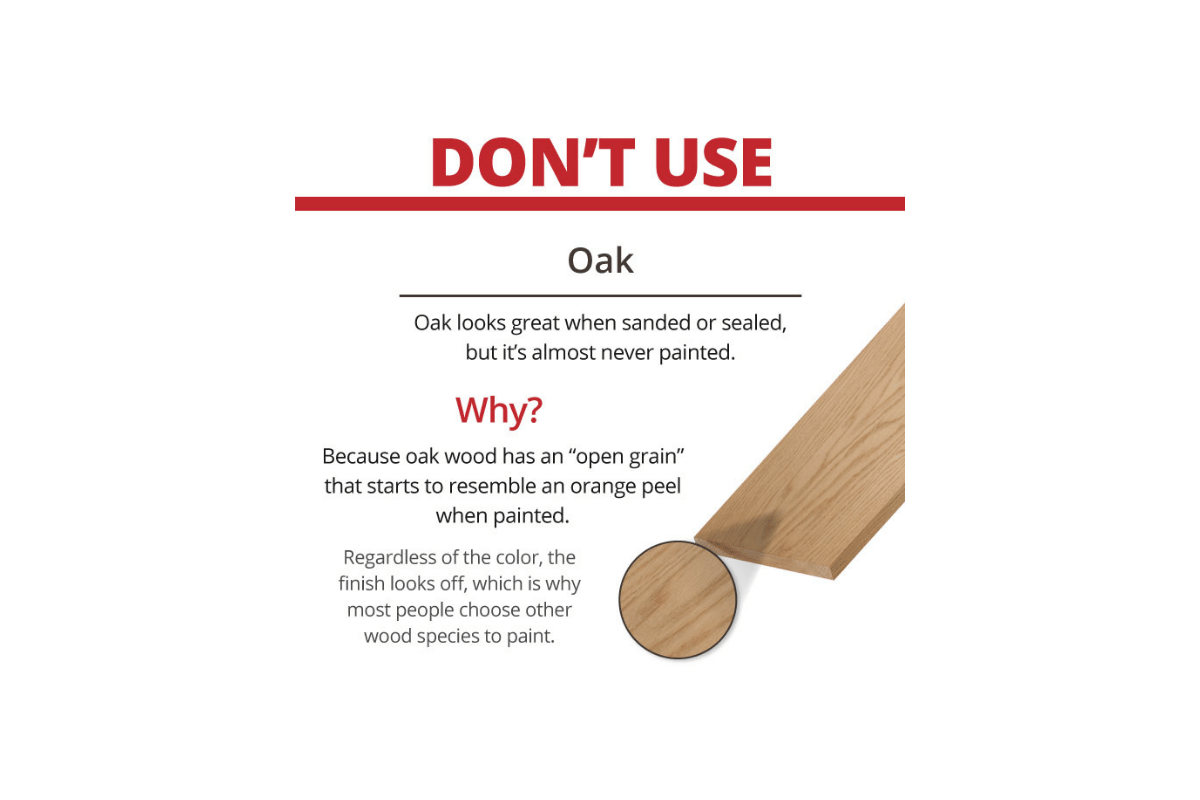
Oak — Porous & Textured
Oak has deep pores and a coarse grain pattern. The natural texture of the wood type makes it challenging to get a smooth, even finish when painting. However, additional sanding and preparation to remove the visible texture. If you want to go with oak wood for your cabinets, you'll need to decide if the extra work is worth the hassle.
Hickory — Dramatic Grain & Color Variation
Hickory is a popular choice for cabinet doors because of its dense, active grain pattern. However, the rich natural color and dramatic grain pattern make this wood type better for staining. Even with extra prep work, the grain will likely show through the paint. If you don't like the subtle texture showing through, you're better off choosing an alternative with a smoother grain.
Knotty Woods (Knotty Alder)
Knotty woods are wood species that have visible knots. These wood types are great for traditional, western, or vintage aesthetics, where the natural wood type is the focal point of the space. However, these woods are challenging to paint because the knots contain resin. The resin can seep through the paint over time, impacting the appearance of your cabinet doors.
Choosing the Best Finish for Wood Cabinets
The desired look for painting a cabinet door is usually a high-gloss finish, similar to the finish on a piano. A finish of this quality will certainly require a highly experienced finishing professional and a dust-free spray booth. This doesn’t mean you can’t achieve an excellent finish, but it does mean you won’t get this piano finish with a paintbrush in your driveway. To get a professional-looking finish, you will need to spray the paint. Not from a Krylon can, but from a compressed-air, or airless, spray painting system.
Mixing Paint-Grade Cabinet Doors
Mixing paint-grade woods between the upper and lower cabinets is a great way to add visual contrast while improving the functional needs of your space. For example, consider a harder wood for the lower cabinets, one that's more resistant to general wear and tear. For the upper cabinets, you can choose a softer wood to save on costs. Another popular option is to mix paint-grade with stain-grade. This is a great way to combine different tones and textures in your space.
Tips for Painting Cabinet Doors Successfully
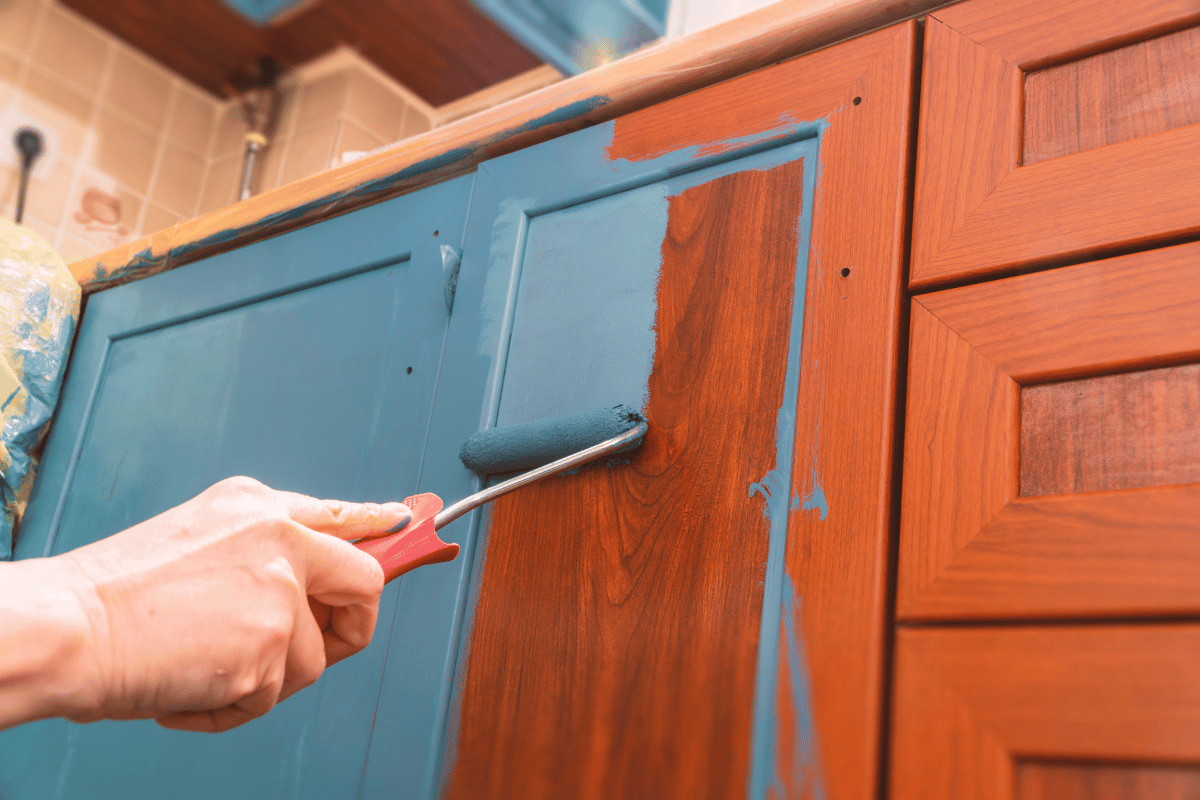
Once you decide on a paint-grade wood type, it's time to start painting. Here are some tips and tricks to ensure you achieve a smooth, even finish:
- The “prep-prep-prep” rule: every hour spent preparing the cabinet door for painting saves two hours of repainting.
- The 5-F’s rule: This rule is “Fine Finishers Finish Firewood First”. It simply means that experimenting with your finish on scrap wood can prevent ruining a door with a failed finishing attempt.
- Sand sharp edges: Always break all sharp edges with fine sandpaper before painting. Sharp edges will not hold paint, leaving the dried paint with an unpainted spot that can absorb moisture.
- Understand Humidity: Keep in mind that all wood types will expand and contract with changes in humidity. The paint will slow these humidity-caused wood movements, but no paint is totally moisture-proof, and paint will not stop the movements. This movement in wood due to humidity presents another potential issue for the painted cabinet door. When the paint dries, it will no longer have the elasticity to move with the wood; so it will crack, usually along the glue joints where the Stiles & Rails join.
- Hardness vs. Softness: The softer the wood, the more easily it will dent if hit with a pot or frying pan. The dent in the wood may be slight and hardly noticeable, but dried paint doesn’t dent without cracking. The weakest link in any painted cabinet door is not the door. Regardless of the wood type used, the weakest link is always the paint.
Get Paint-Ready with CabinetDoors.com
Ready to invest in paint-grade cabinet doors for your next home renovation project? CabientDoors.com is here to help. We have a variety of paint-grade woods available, including medium-density fiberboard. Our doors are custom-made and available in traditional and modern designs. We also have a variety of Sherwin-Williams paint colors available if you decide to order your cabinet doors finished.
SHOP PAINT-GRADE CABINET DOORS
Frequently Asked Questions
Do I need to seal paint-grade cabinet doors?
Yes, all paint-grade cabinet doors must be sealed with a quality primer before painting. This will ensure you achieve a smooth, even finish when you're ready to paint.
Can I repaint paint-grade cabinet doors later if I change my kitchen color?
Yes, paint-grade cabinet doors can be repainted later. To achieve a smooth, cohesive finish, the cabinet doors must be thoroughly sanded and prepped before painting.
Do paint-grade cabinet doors come pre-primed or raw?
Yes, paint-grade cabinets are available pre-primed or unfinished. If you order the doors unfinished, you'll need to prime and prep the doors yourself before painting.